About Stained Glass and Leadlights
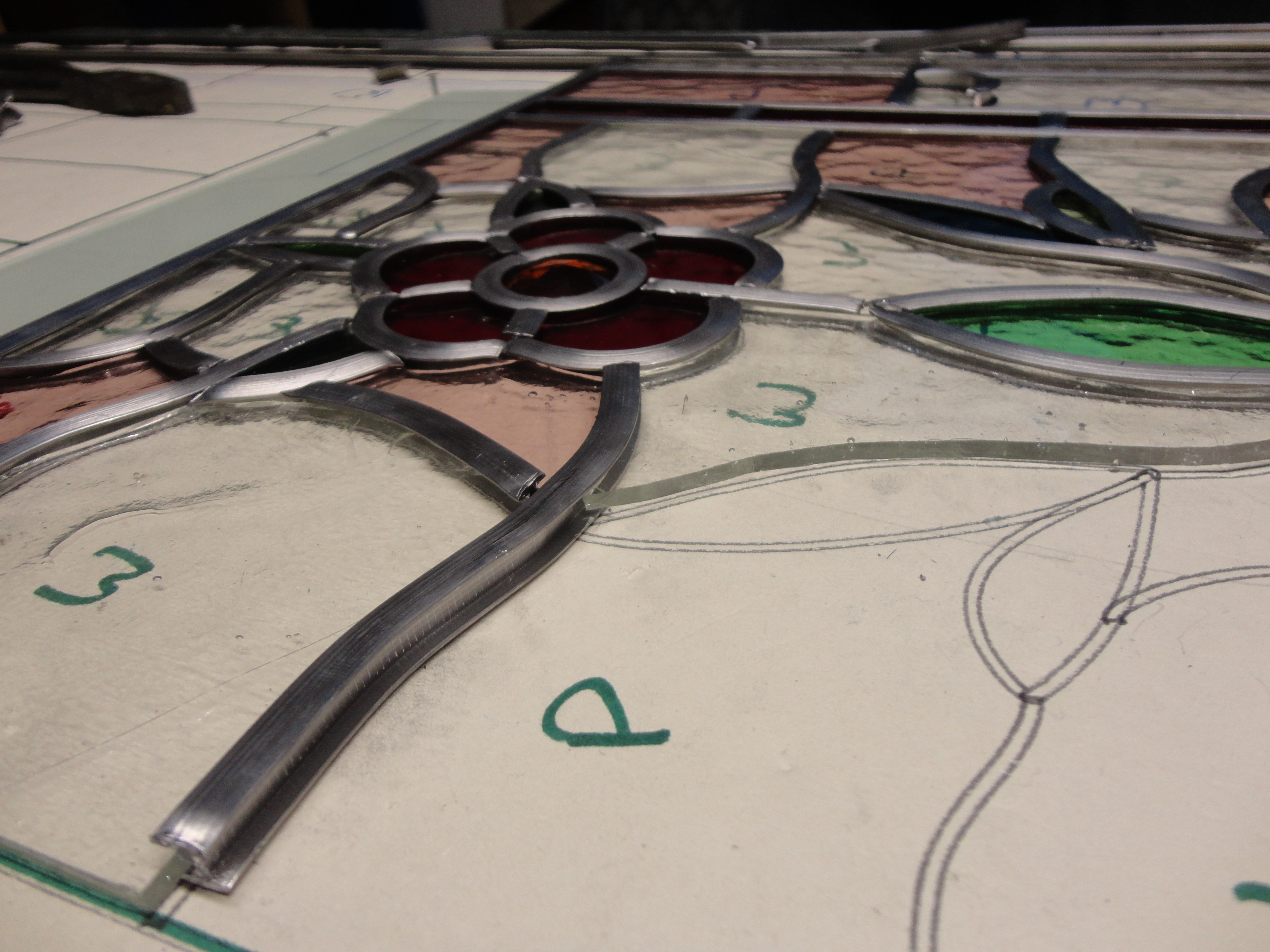
Leadlights are often made up of hand
rolled glass & stained glass.
The image below depicts a panel of hand
rolled glass.
Whether you’re restoring a period property or commissioning a custom piece, understanding how stained glass and leadlights are made will help you appreciate the skill and detail that go into every panel we produce.
Most of the time, the terms “leadlight” and “stained glass” are used interchangeably to describe decorative, colourful glasswork, but there is a distinct difference between the two.
The term leadlight (or leaded light window) refers to the traditional method of joining small pieces of glass using H-shaped lead cames, which are then soldered together to form a complete panel. Leadlights are often created using a combination of hand-rolled glass and stained glass, producing beautifully detailed designs.
Leadlight Glass Types and Materials
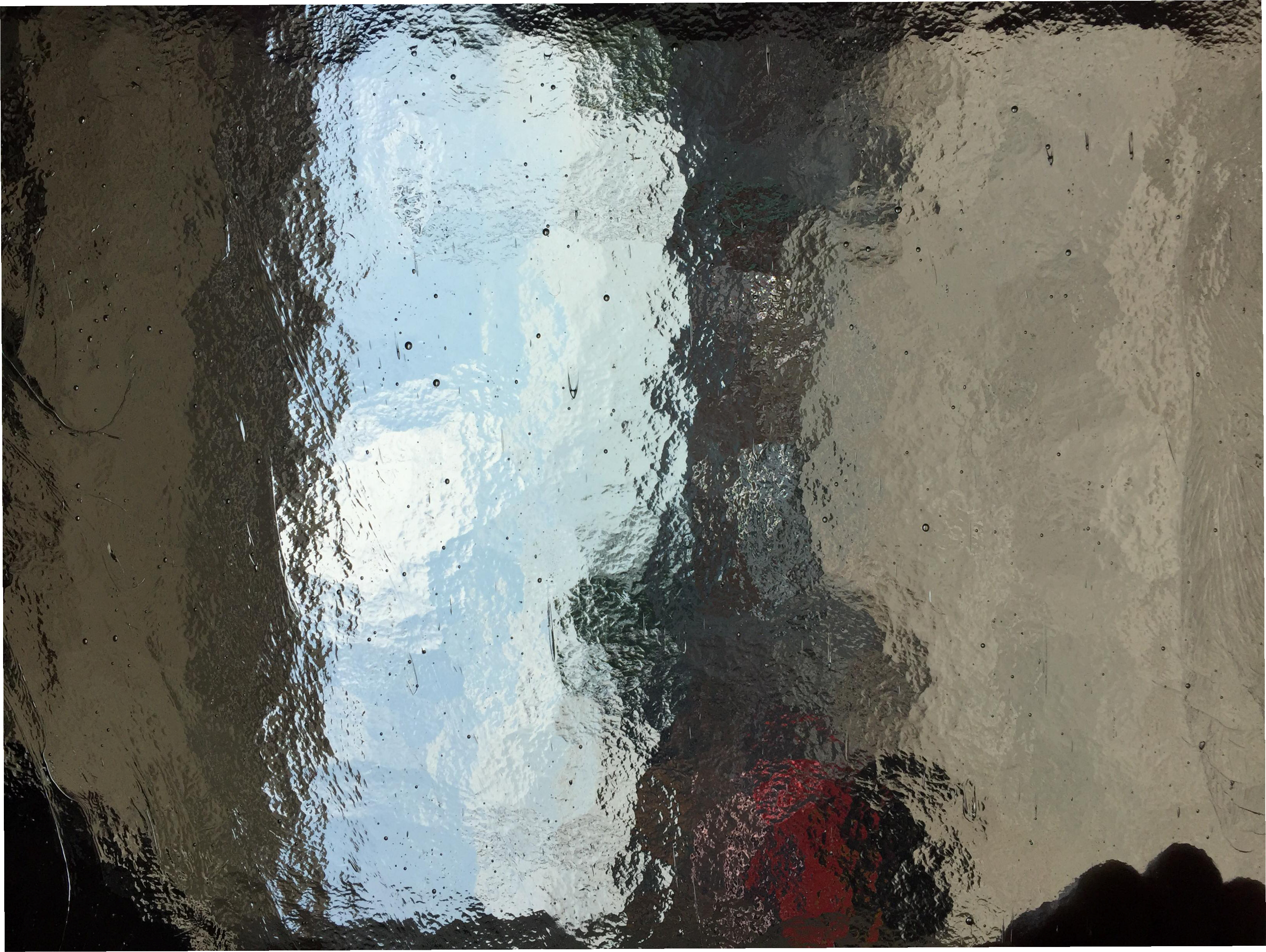
Hand rolled glass
This traditional method involves flattening molten glass and rolling it out manually on a flat surface. Through this process, it’s possible to achieve unique surface effects such as heavy ripples, fractures, and streamer patterns, textures that cannot be reproduced in machine-rolled glass.As shown in the image, hand-rolled glass often contains small “seeds” or air bubbles. While some may mistake these for imperfections, they are actually a hallmark of genuine hand-crafted glassmaking.
These irregular textures not only give the glass a beautiful, tactile quality, but also influence how light passes through it. When light strikes the uneven surface, it is refracted at different angles, creating a lively and dynamic visual effect that enhances the glass’s natural brilliance.
The range of glass types and finishes may seem endless, but most are produced using one of four primary manufacturing methods: blown glass, drawn glass, rolled glass, and poured glass.
Stained Glass
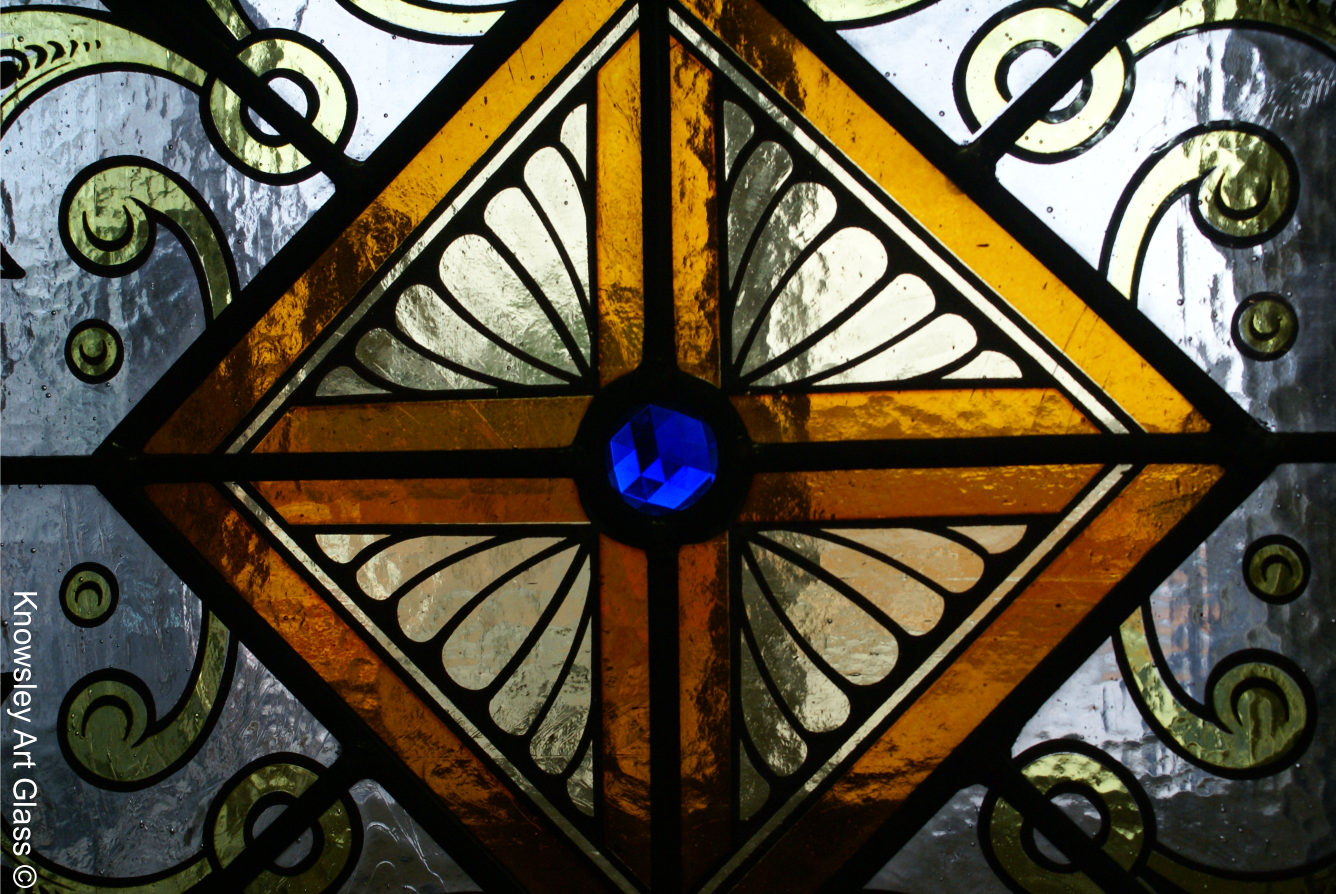
Stained glass refers to clear or plain glass that has enamel colours applied to its surface, which is then fired in a kiln to permanently fuse the pigments into the glass. This traditional technique allows for vibrant, long-lasting colour and intricate decorative effects.
Stained glass is often used within leadlight panels, as shown in the image below, adding richness, depth, and character to each design. When combined with hand-rolled or textured glass, it creates truly unique works of art that come to life when illuminated by natural light.
Opalescent Glass
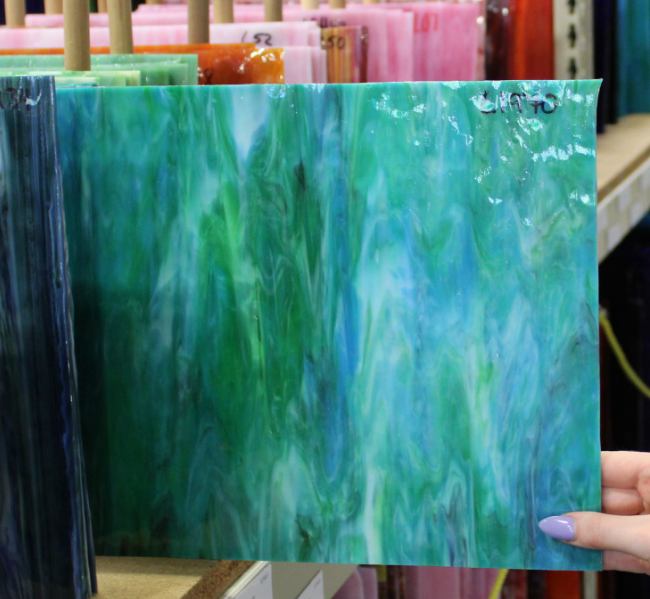
Opalescent glass is a semi-translucent type of glass that gently diffuses light, creating a soft, glowing effect. It often features subtle variations in colour and density, ranging from milky whites to rich, multi-toned hues. This unique quality gives it depth and warmth, making it a popular choice for decorative leadlight and stained glass panels.
Unlike fully transparent glass, opalescent glass obscures shapes while still allowing light to pass through, providing both privacy and atmosphere. When illuminated, the interplay of light and colour within the glass gives it a beautiful, almost luminous character, perfect for adding elegance and individuality to any design.
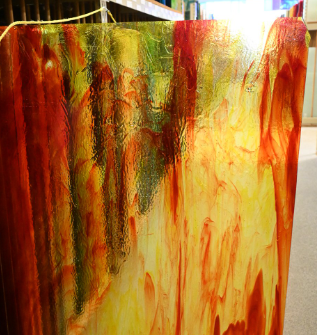
Streaky Glass
Streaky glass is created by blending two or more colours of molten glass together, forming elegant, flowing streaks of colour throughout the sheet. No two pieces are ever identical, each panel displays its own natural variations and movement, making it a favourite choice for decorative leadlight and stained glass work.
This type of glass captures light beautifully, with the colour transitions creating depth and visual texture. When illuminated, the streaks appear to shift and change, giving the glass a dynamic, almost painterly quality. Streaky glass is often used to add richness and artistic character to traditional and contemporary designs alike.
The glass options are virtually endless, with countless colours, textures, and finishes to choose from. When you commission a leadlight with us, we’ll guide you through the available glass types and styles, showing you detailed drawings and samples to help you visualise your design.
Every project is discussed personally, ensuring the materials and glass selections suit both your aesthetic preferences and budget. Our goal is to create a piece that’s beautifully tailored to you — from concept to completion.

Hand-Painted Glass and Roundels
Hand-painted glass is one of the most traditional and artistic forms of decorative glazing. Using specialist glass paints and enamels, designs are painted directly onto the glass surface and then kiln-fired to fuse the artwork permanently into the glass. This process allows for incredible detail, from fine shading and outlines to intricate decorative motifs.
A popular example of this craft is the painted roundel, a circular glass panel often featuring floral patterns, heraldic symbols, or classical imagery. These pieces are frequently incorporated into leadlight or stained glass windows, adding individuality and historic charm. Each hand-painted panel is a unique work of art, reflecting the skill and creativity of the artisan who made it. You can read more, and see more examples of this here
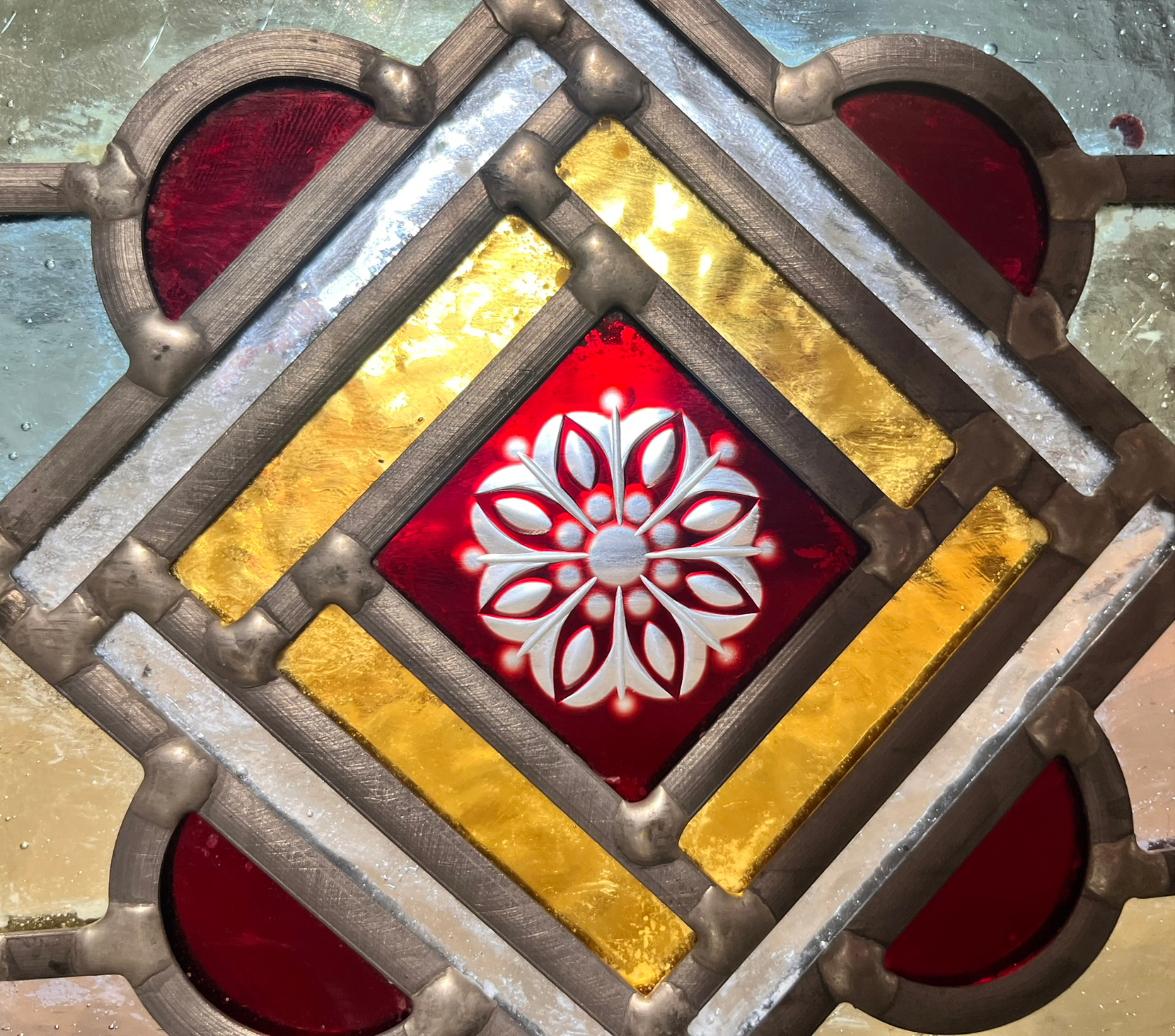
Brilliant Cut Glass in Stained Glass
Brilliant-cut glass refers to decorative glass pieces that have been cut, ground, and polished to create precise facets that catch and reflect light. This centuries-old technique was traditionally done by hand using stone or copper wheels, producing dazzling geometric patterns, stars, and borders.
When incorporated into leadlight or stained glass panels, brilliant-cut pieces add a sense of elegance and luminosity, the polished surfaces sparkle as they interact with natural light, giving each window a striking depth and movement.
Today, brilliant-cut glass remains a hallmark of high-quality decorative glazing, often used to highlight central motifs, borders, or door panels in both period restorations and bespoke modern designs. More on brilliant cutting here.
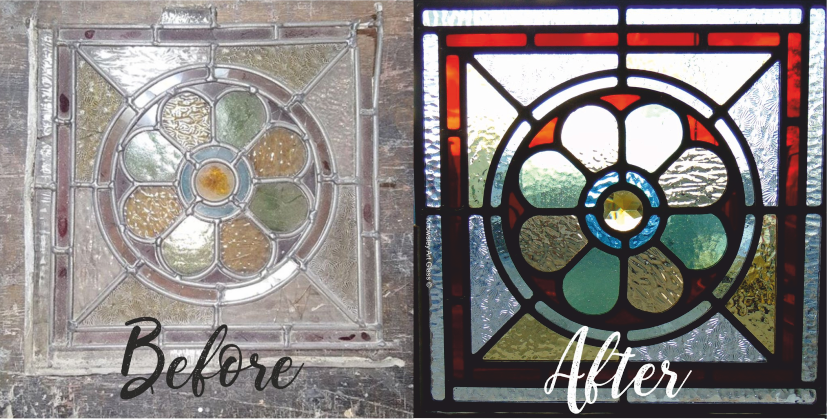
Leadlight & Stained Glass Restoration.
Restoring stained and leadlight glass is a delicate process that requires traditional skills, precision, and a deep understanding of historical craftsmanship. Over time, glass panels can become damaged, bowed, or weakened due to age, weather, or building movement. At Knowsley Art Glass, we specialise in carefully restoring and preserving original stained glass windows, ensuring that their character and beauty are maintained for generations to come.
Each project begins with a thorough assessment of the existing glass and leadwork. Where possible, we retain and repair original materials, replacing only what’s necessary using period-appropriate techniques and matching glass types. Broken or missing pieces can be hand-painted, etched, or reproduced in-house, allowing us to restore the design with exceptional accuracy.
Our restoration work balances authenticity and durability, combining traditional artistry with modern safety standards. Whether it’s a single damaged panel or a full window restoration, our goal is to return every piece to its former brilliance while strengthening it for the future.
Please note that we do not offer a removal service. For us to carry out any repairs, the glass panel must be removed and brought to our workshop.
Depending on your location, we may be able to recommend a trusted third party who can assist with the removal, temporary glazing, and reinstallation of your panel.
We also do not carry out in-situ (on-site) repairs. Based on our extensive experience in restoring leadlight and stained glass panels, we’ve found that attempting repairs in place can compromise the structural integrity of the glass and increase the risk of future breakages. For this reason, all repair and restoration work is completed in our controlled workshop environment, ensuring the highest quality and longest-lasting results.

Encapsulation: Double Glazing for Stained Glass and Leadlights.
Encapsulation is the process of sealing an original or newly made leadlight panel within a double-glazed unit, protecting it from the elements while improving insulation and durability. This allows the decorative glass to retain its beauty and craftsmanship while meeting modern glazing standards.
The minimum overall thickness of an encapsulated leadlight unit is 20mm, so it’s important that customers check their existing window or door frame to ensure there is sufficient space for installation. Please note that these encapsulated units cannot be gas-filled, as the inner construction does not allow for an airtight seal between the panes.
Encapsulation is an excellent option for preserving traditional glasswork in external settings, offering enhanced protection without altering the visual character of the leadlight itself.
If you have any further questions, or wish for a quote please Email our team